Understanding Brain Networks
in Nicotine Withdrawal
Explore how nicotine withdrawal affects the brain’s ability to focus and process information,
and what this means for individuals trying to quit smoking.
Key Research Findings
Brain Network Balance Matters
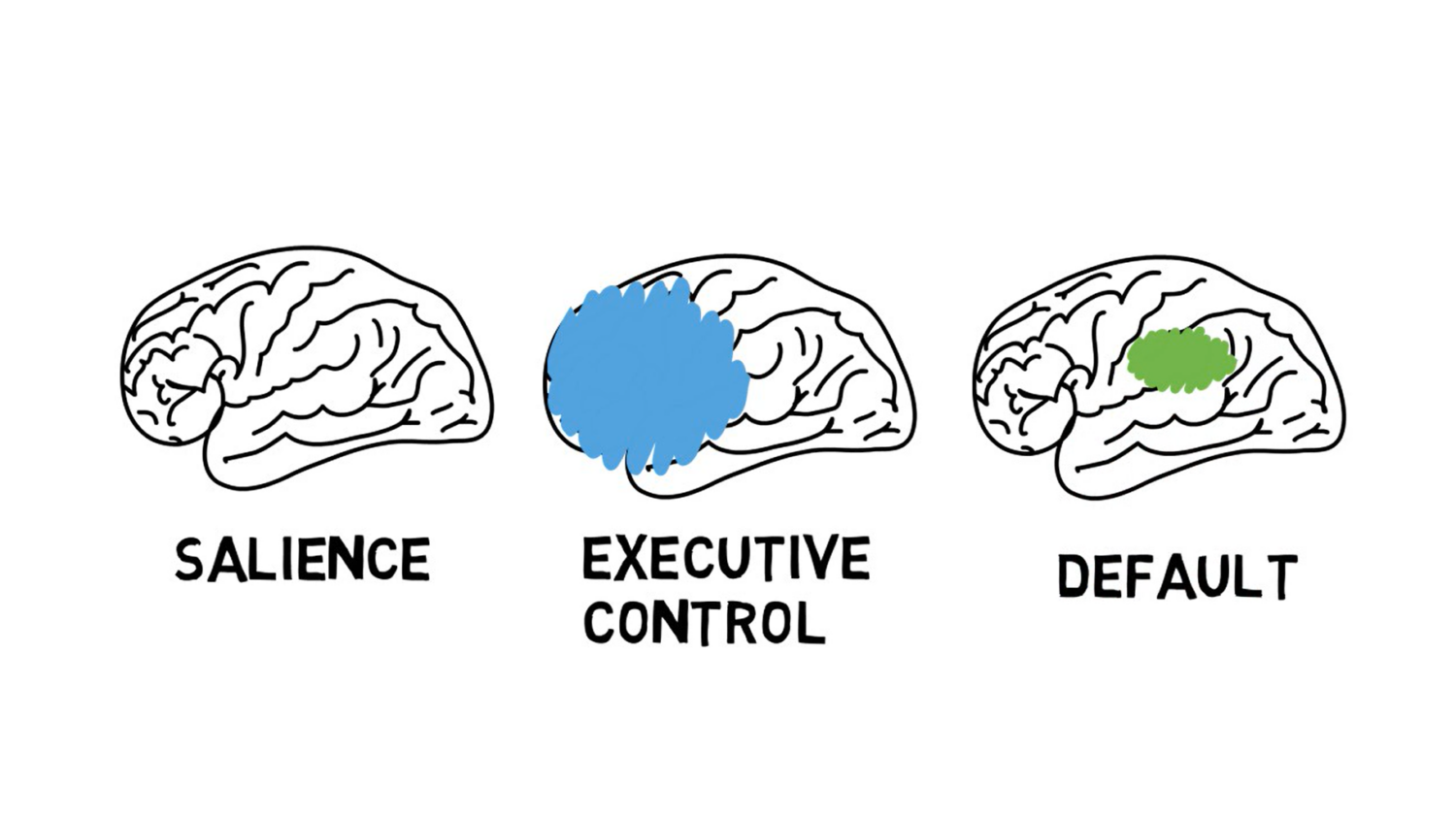
When working memory is engaged, the brain’s salience network helps suppress the default mode network—supporting focus and task completion.
Withdrawal Disrupts Connectivity
In abstaining smokers, this balance is harder to maintain, making it more difficult to disengage from internal thoughts and stay task focused.
Cognitive Impact
Reduced connectivity between brain networks during withdrawal is linked to decreased cognitive performance.
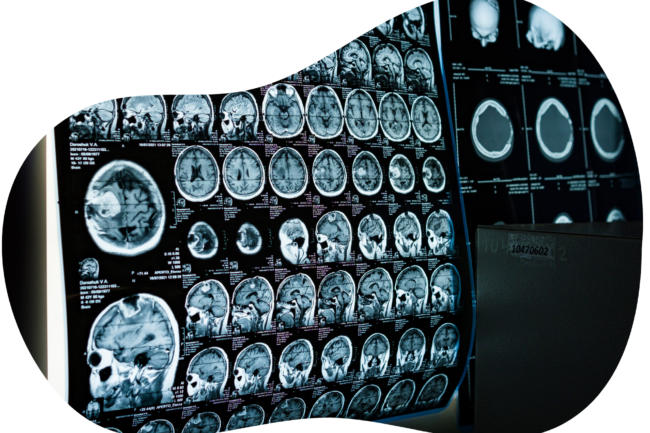
MRI studies show weaker connections between key brain networks during nicotine withdrawal,
indicating a measurable loss in cognitive ability.

Why the Work Matters
Understanding how nicotine withdrawal affects brain function helps researchers and clinicians better support smoking cessation efforts. These insights also elevate the role of behavioral and social sciences within the broader biomedical research landscape.
These findings highlight when and why cognitive challenges occur during nicotine withdrawal,
helping inform more targeted strategies to support focus, decision-making, and successful smoking cessation.
About the Research
This video was developed for the NIH Office of Behavioral and Social Sciences Research to highlight findings from NIH-funded studies, including work led by Dr. Caryn Lerman, and to increase awareness and engagement across the research community.
#TheRippleWay
Work Smarter. Perform Better.®